This plant is everywhere, but you had no idea it can treat tumors, diabetes,
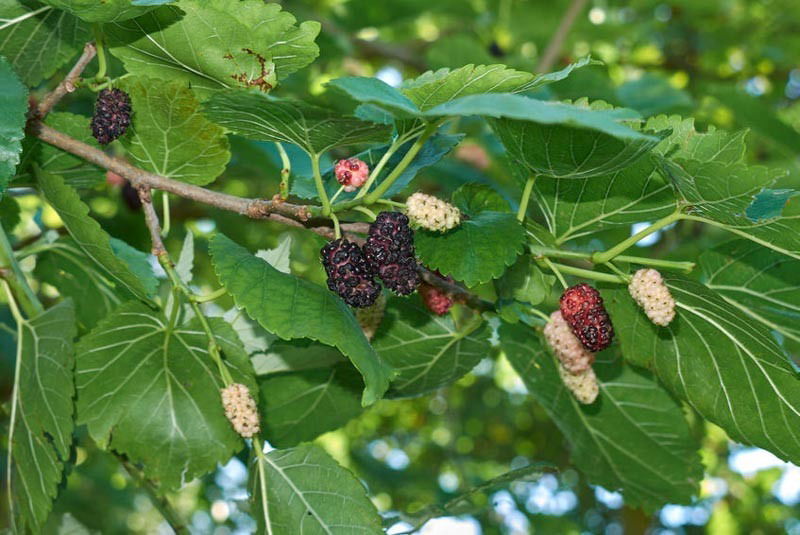
The Overlooked Power of White Mulberry
You might walk past a white mulberry tree without noticing it, but this plant offers surprising health benefits. Once introduced to the U.S. to support a silk industry that never took off, white mulberry adapted widely and is now valued more for its medicinal uses than its silk.
Health Benefits Backed by Research
White mulberry leaves contain 1-deoxynojirimycin (DNJ), which “helps slow down the digestion of carbohydrates,” reducing blood sugar spikes—especially helpful for those with type 2 diabetes. It’s also rich in antioxidants that help “lower LDL (‘bad’) cholesterol and improve blood circulation,” protecting heart health.
Studies suggest the presence of resveratrol may have anti-cancer effects, though more research is needed. According to the University of Texas, “resveratrol in mulberries” could support heart and tumor health.
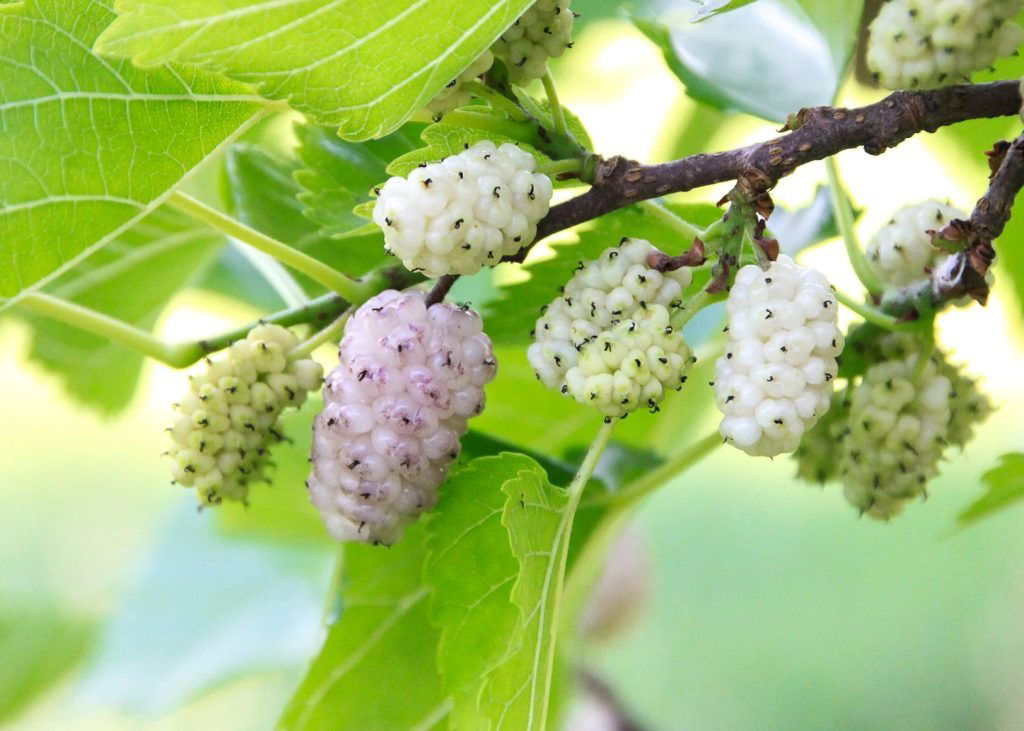
Traditional and Nutritional Value
Traditionally, white mulberry has been used to ease colds, joint pain, and inflammation. Its vitamin C and polyphenols “help the body fight off infection and inflammation,” while fiber, pectin, and organic acids support digestion. It’s also used in Chinese medicine for issues like hair loss and dizziness, thanks to its antioxidant properties.
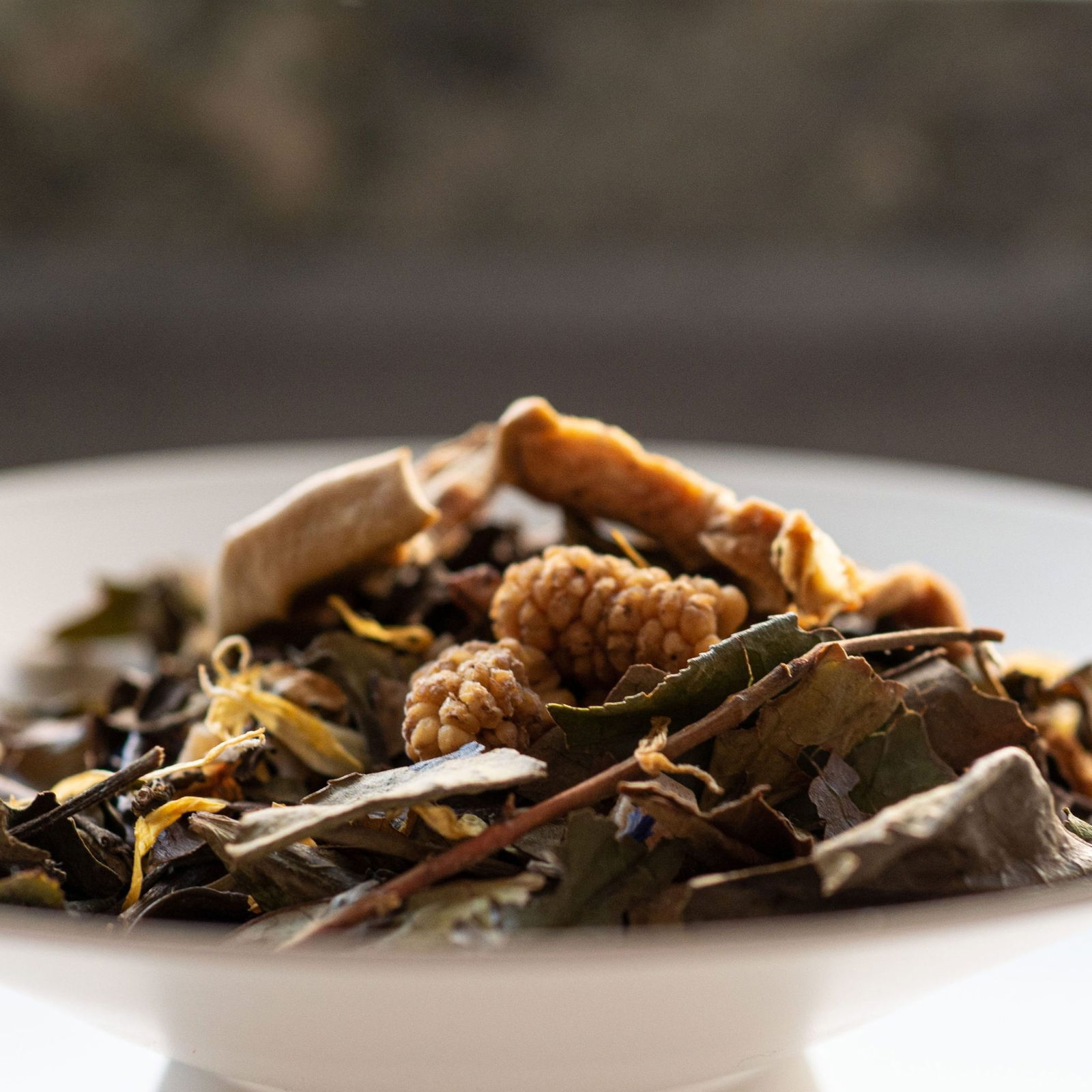
Safety and How to Use It
Generally safe in moderation, white mulberry may interact with diabetes medications. Pregnant or breastfeeding individuals should avoid high doses due to limited data. It can be consumed as tea, capsules, or berries—“a calming herbal tea that supports blood sugar and soothes cold symptoms.”